The reading problem
Write the missing field, the exact subject and the kind of record that could answer it. This makes a follow-up more useful than repeating a broad brand judgment.
A broad request to judge a brand mixes identity, appearance, performance and legal context. A narrower question makes the necessary source and its limits easier to name.
A practical example
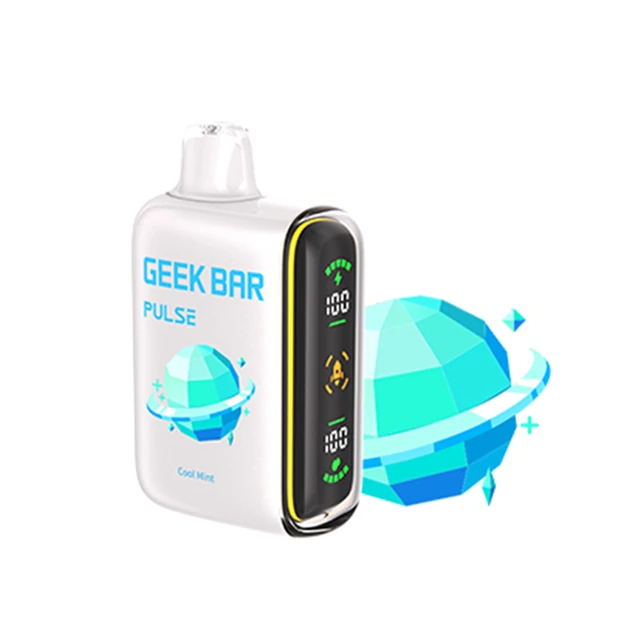
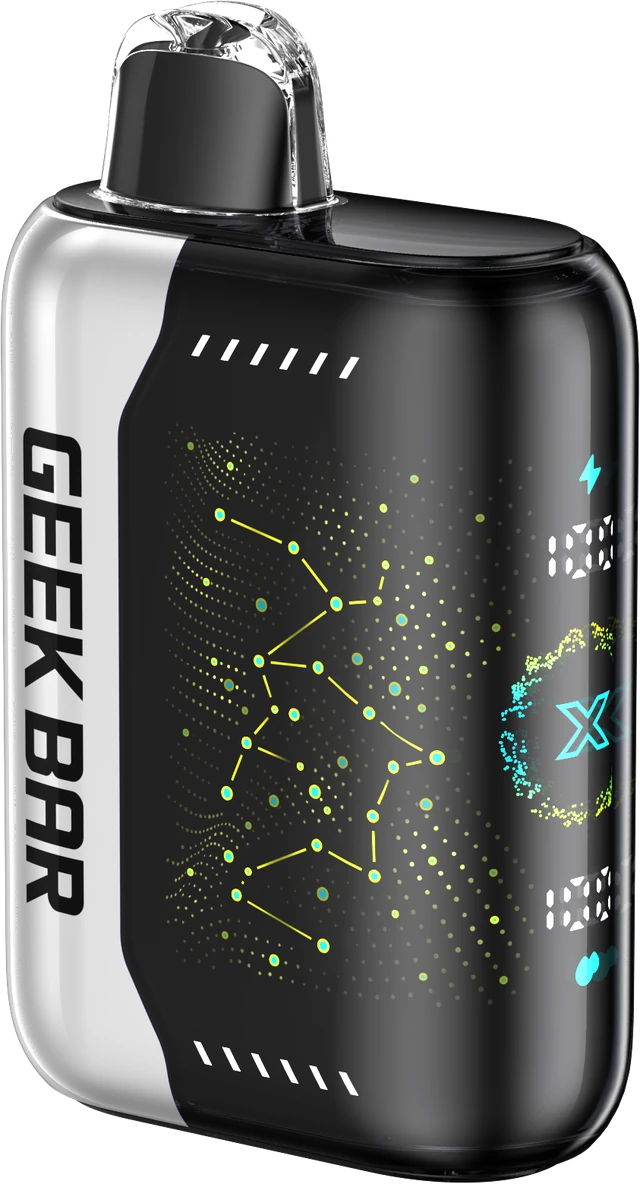
Geek Bar PULSE and PULSE X are separately named entries. Retaining the suffix keeps a quotation attached to the right subject.
Make the next question specific
Write down the subject, the publisher, the exact source address and what remains unknown. When another account repeats the statement, check whether it supplies new evidence or simply points back to the same original.
What would a source have to show to answer this question?
A worked reading example: A better question changes the research task
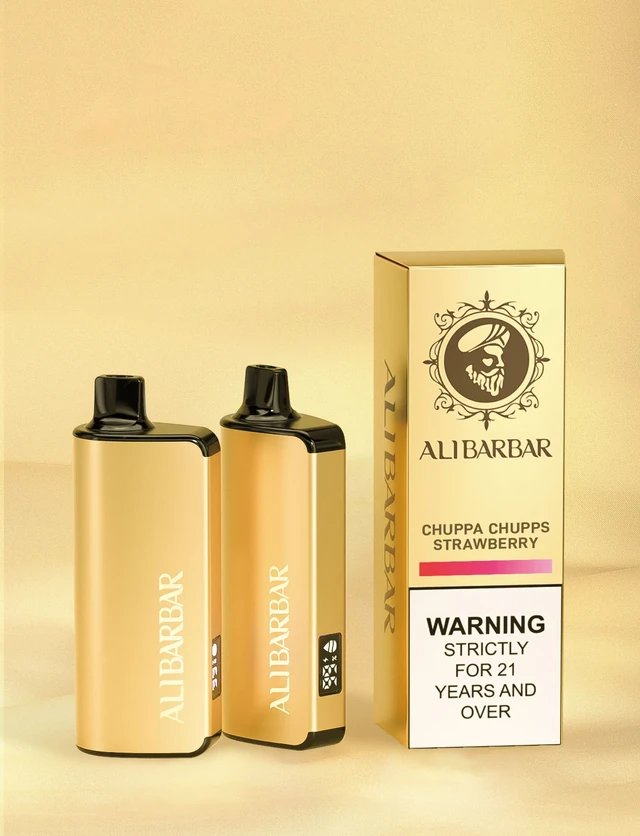
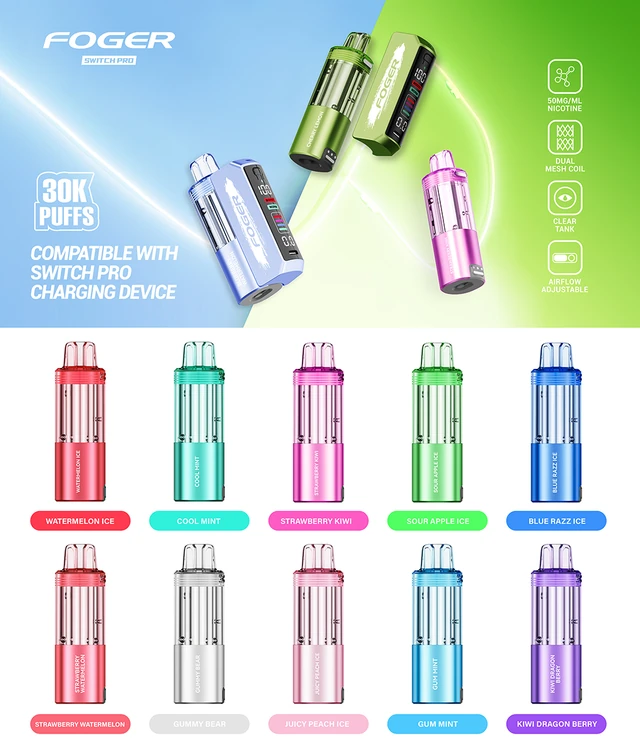
Instead of asking whether a whole brand is good, identify the particular uncertainty. Is the object a PULSE or a PULSE X? Is a Foger statement about the pod or the charging device? Which named Alibarbar entry appears in the source? Those questions point to specific records. A performance question requires a different kind of support from a naming question, while a jurisdiction question needs a dated record for that place. Writing the desired evidence first can save a long detour through unrelated summaries. The result is a research plan that another reader can follow without sharing an unstated preference.
Check the next step
Turn the unresolved field into a precise follow-up question. State what a source would have to show before the field could be filled.
Editorial takeaway: Name the object, the unresolved field and the kind of evidence required.
A boundary worth keeping
An answer to a small question should not be presented as a verdict on the whole brand.
The linked product publishers describe their own materials. This publication provides a reading structure; it does not claim to have independently tested devices or certified a market status.
Continue with an original record
Checked 17 October 2026. Read the original source and its scope before extending the conclusion.